
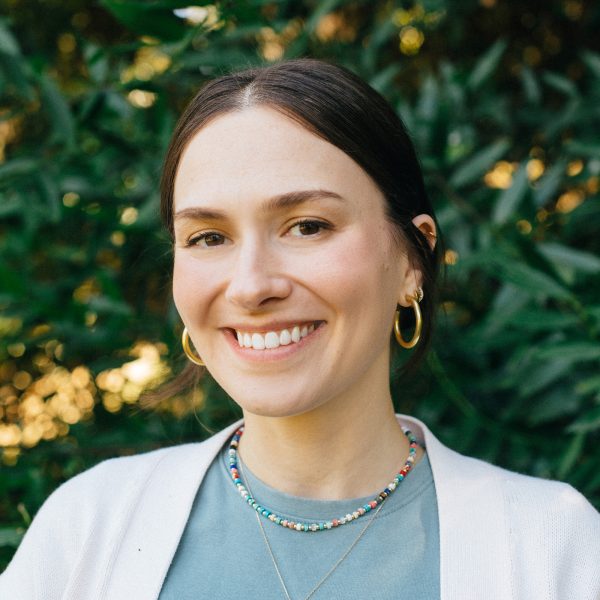
What it’s like to be in therapy with me
Maybe you’ve been in therapy before and came away with helpful coping skills, but something deeper remained untouched. You may have been given a diagnosis and still feel like a mystery to yourself. Something just feels off, and you can’t figure out what it is. Or you and your partner have drifted apart, and you no longer recognize each other or what your relationship has become.
Many people come to therapy believing the problem is them, that something in them is broken and needs fixing. I see it differently: pain usually has something to say. In our work together, we’ll stop treating your struggle as the enemy and get curious about what it’s pointing to. Together, we can explore the places you haven’t been able to go alone.
How I Work
We’ll start slowly. I want to get to know you and your story, not just the problem that brought you in, because trust takes time. I’m warm, steady, and curious, and my job is to stay with you, even in the darkest places.
As we go deeper, everything becomes a clue: your fears, your reactions, your habits, the images you gravitate toward. I’ll offer my thoughts and interpretations, help you make connections that are hard to see on your own, and share context that can help your experiences make sense. Over time, many people find they can stay with hard feelings instead of running from them, and that they understand themselves in ways they couldn’t before. Things start to click into place.
At some point in therapy, you may feel as though you’ve emerged from a dense forest into a clearing. From there, you can finally see where you’ve been: what you’ve lived through, how it has shaped you, why you struggle in certain ways, and why small things can set off big reactions. You may feel more connected to yourself and to others, and life can start to feel lighter.
Who I Work With
I specialize in working with adults, young adults, teens, and couples, including:
- People living with depression, anxiety, grief, or the legacy of trauma who want to understand where it comes from and what it’s trying to tell them
- Those struggling in their relationships with parents, siblings, partners, or friends
- Partners who feel disconnected and want to understand what’s happening between them
- Perfectionists, and anyone consumed by anger, a need for control, or a sense of never being “enough”
- People who feel detached from themselves and want to find their way back
- Anyone curious to learn more about what makes them tick
My Training and Tools
My work is psychoanalytically informed, which means I believe much of what shapes us happens outside our awareness. Over time, we learn to push away the parts of ourselves that didn’t feel safe to have. Therapy with me is about turning toward those parts and making room for them.
I have also completed trainings in a number of therapeutic approaches that I draw from in my work, including:
- Emotionally Focused Couples Therapy
- Dialectical Behavior Therapy
- Cognitive Behavioral Therapy
- Acceptance and Commitment Therapy
- Cognitive Processing Therapy
These give me tools for couples caught in painful cycles and for people working through intense emotions or trauma. Rather than following a single method, I draw on a blend of these approaches, guided by what I’ve seen help my clients most. Your therapy will be shaped around you: what you need, what resonates, and what moves you forward.
Education & Background
- Licensed Clinical Social Worker, License No. LCSW 104906
- Master of Social Work, New York University (2017)
- Bachelor of Arts, George Washington University (2012)
A Little More About Me
I came to this work through my own experience of feeling fragmented, like parts of me were out of reach. Starting therapy felt like coming home to rooms in myself I had closed off long ago, and finding they were still there. What made the difference was a therapist who didn’t rush me, didn’t flinch, and stayed with me through the hardest parts. That’s what I try to offer: that same presence, and a real partner in making sense of what you’ve lived through.